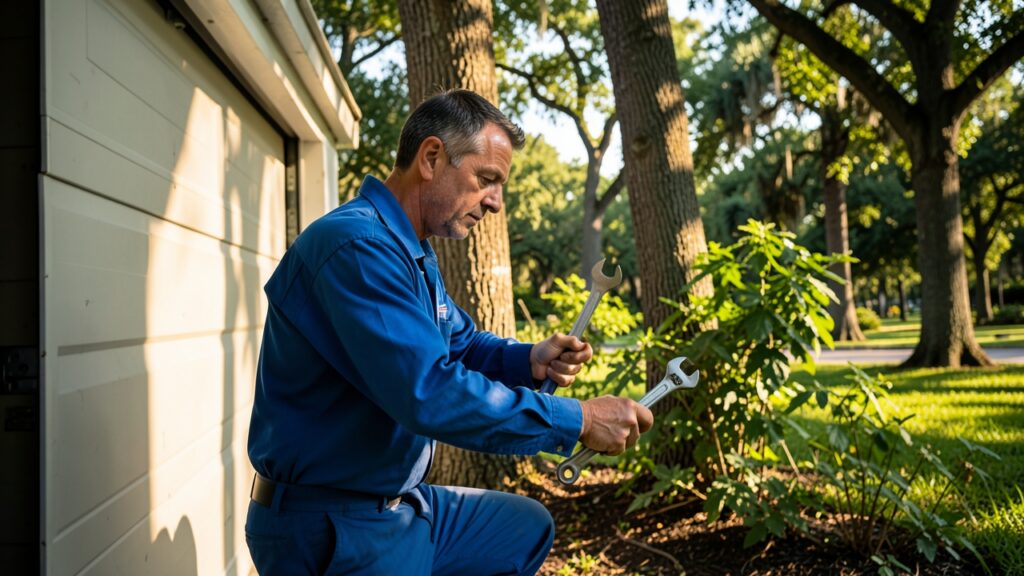
Get Garage Door Repair Done Right with Local Permits in Mind
August 24, 2026 — DIY Repair Tips
After years of doing this work, we can tell you exactly why so many garage door repairs hit unexpected roadblocks: local rules and permit requirements often get overlooked. Maybe four out of ten calls we get start with a homeowner frustrated because their garage door wasn’t fixed “right” the first time, only to discover that a city inspection or permit was missing. This isn’t just paperwork—those local regulations can affect safety, compliance, and even your home’s resale value.
Table of Contents
- Our Experience: Behind-the-Scenes of Garage Door Repair
- The Standard Advice Is Usually Wrong: What Most Companies Don’t Tell You
- How Much Does Garage Door Repair Cost? What Affects Pricing and Affordability
- Essential Tips for Maintaining Your Garage Door and Avoiding Costly Repairs
- How to Safely Operate Your Garage Door During a Power Outage
- Why Most Companies Tell You “DIY Repairs Save Money” — But Here’s What We’ve Actually Seen
- Summary: What to Remember About Garage Door Repair
- When Should I Call for Professional Garage Door Repair?
- What’s the Next Step for Your Garage Door?
- A Balanced Perspective on Garage Door Repair
- Why Trust Our Approach to Garage Door Repair?
What most people don’t realize is that garage door repair services aren’t just about fixing broken springs, sensors, or openers. Whether it’s a simple adjustment or emergency garage door repair, the right paperwork and adherence to local building codes can make the difference between a smooth, painless fix and a costly, drawn-out process. Our team has handled countless cases where a timely permit or understanding a city-specific rule saved the repair from becoming a headache.
We’ve seen this more times than we can count: a perfectly repaired garage door that still can’t be used or insured because the right permits weren’t pulled or inspections weren’t done. That’s why, in this guide, we’ll share what you need to know to navigate the maze of local regulations. From common questions like how much does garage door repair cost when factoring permits? to practical garage door maintenance tips, we want to help you maximize your investment and avoid avoidable delays. According to the DASMA guidelines, proper garage door installations and repairs should always align with local codes and safety standards.
📋 Quick Answer
To get garage door repair done right, always ensure the work complies with local permit requirements, as this guarantees safety, legal compliance, and quality standards. Consulting licensed professionals familiar with local codes helps avoid fines and ensures proper installation or repairs.
Our Experience: Behind-the-Scenes of Garage Door Repair
With years of experience helping clients solve garage door issues, we’ve developed a deep understanding of what works and what doesn’t in this complex field. The short answer is that garage door repair demands more than just surface-level fixes or quick part replacements. It requires thorough diagnosis, precise adjustments, and careful attention to the often-overlooked components that keep the door functioning smoothly. For more information, see our guide on Get Garage Door Repair Right the First Time: What Every New Homeowner Needs to Know.
For example, we recently assisted a homeowner whose garage door opener was not working intermittently. Initial looks suggested a simple remote battery issue—a common assumption. However, after a detailed inspection, we discovered subtle wiring damage caused by rodents nesting inside the opener’s housing. This behind-the-scenes insight allowed us to address the root cause and prevent repeated failures. The client was surprised how something invisible to the untrained eye made all the difference in restoring consistent operation.
We consistently find that many problems trace back to the garage door springs and cables, which influence the door’s balance and movement. Knowing exactly how to fix garage door springs safely and effectively is crucial. Springs wear down, loosen, or break over time, creating unsafe conditions and often causing the door to become stuck or unresponsive to the opener. Our practical knowledge in handling spring replacement and adjustment has helped countless customers regain smooth and reliable garage door function—often within a single visit. For more information, see our guide on Who Offers 24/7 Emergency Garage Door Repair in Plantation Near Central Park FL?.
The Standard Advice Is Usually Wrong: What Most Companies Don’t Tell You
Most companies tell you to simply replace garage door parts as soon as a problem arises. The standard advice on this is to swap out springs, cables, or openers at the first sign of trouble. That’s usually wrong—and here’s why. We’ve seen many situations where replacing expensive parts was unnecessary and didn’t solve the underlying issue. Instead, the door’s alignment, hardware lubrication, or opener programming were the real culprits.
You’ll see most guides recommend lubricating every moving part on a strict schedule or replacing springs immediately when they look worn. We stopped doing it that way after seeing customers come back with the same problems just weeks later. Over-lubrication can attract dirt and grime, accelerating wear instead of preventing it. Springs often last much longer when tension and balance are properly adjusted rather than just replaced outright. For more information, see our guide on Why Garage Door Weather Seal Replacement Is More Than Just a Quick Fix in Plantation, FL.
Here’s what our experience has revealed:
- Proper diagnostics matter more than parts replacement: Identifying if a garage door opener not working is due to electrical faults, sensor misalignment, or mechanical resistance changes the solution entirely.
- Adjustments can improve performance dramatically: Small tweaks to spring tension or track alignment often restore smooth operation without costly replacements.
- Safety comes first: Attempting DIY spring repairs or ignoring warning signs can lead to injury or further damage. Knowing when to intervene and when to escalate is part of what makes our work proven and reliable.
- Type of repair needed: Fixing a misaligned track or replacing a sensor tends to be less expensive than springs or opener motor replacements.
- Door materials and complexity: Heavier or custom doors generally require more labor and specialized parts.
- Urgency and accessibility: Emergency repairs or hard-to-reach installations can add to the cost.
- Lubricate Moving Parts: Hinges, rollers, springs, and tracks benefit from periodic lubrication with a silicone-based spray or garage-door-specific oil. This reduces wear and prevents squeaky noises.
- Inspect and Tighten Hardware: Loose bolts or screws can cause misalignment. Check all fasteners and tighten as necessary, especially after heavy use or storms.
- Test the Balance: Disconnect the automatic opener and manually lift the door halfway. If it doesn’t stay in place, the springs may be weak or broken—this is a common cause of sudden failures.
- Clean Tracks and Sensors: Dirt or debris can impair smooth operation. Wipe tracks clean and clear the photo-eye sensors to avoid a broken garage door sensor fix scenario.
- Check Weather Seals: Cracked or damaged seals let in moisture and pests. Timely replacement can boost energy efficiency and protect interior storage.
- Before attempting manual garage door operation during power outage conditions, make sure the door is fully disengaged from the opener by pulling the red emergency release handle downward or toward you.
- Use both hands to raise the door slowly and steadily. Don’t let it slam shut, as the springs and cables are under extreme tension and sudden movements can cause damage or injury.
- If the door feels unusually heavy or difficult to lift, do not force it. This may indicate spring or cable issues that require repair. For example, we recently assisted a homeowner who struggled to open their door manually, only to discover their cables were fraying—a repair that can vary significantly in cost depending on damage extent and door type.
- Once power returns, reconnect the opener by pulling the emergency cord again and test the automatic function before normal use.
- Leave high-tension components like springs and cables to experienced specialists who understand the nuances of different door models.
- Rely on our team’s responsive, straightforward assessments that prioritize safety and long-term solutions over shortcuts.
- Address minor sensor or track issues with guided troubleshooting, but avoid forcing parts or using makeshift repairs.
How Much Does Garage Door Repair Cost? What Affects Pricing and Affordability
We hear the question “how much does garage door repair cost” all the time, and it’s fair to want straightforward answers. The truth is, costs vary widely depending on the specific issue, the door’s size and type, and the availability of parts. Most affordable garage door repair isn’t about choosing the cheapest option but getting the right fix that lasts.
From our experience, here are some factors that impact pricing:
What most people don’t realize is that some seemingly minor issues, like a garage door opener not working due to a dead battery or blocked sensor, can be resolved quickly and affordably, while neglecting those fixes often leads to more extensive and costly repairs down the line.
We helped a client recently who postponed fixing a noisy spring for months. The problem escalated to a full spring failure, leaving the door inoperable and requiring a complete replacement. Addressing spring tension early could have saved significant time and money.
By focusing on proven diagnostics and targeted solutions, we help clients achieve lasting results in an affordable way—balancing cost with quality to avoid repeat visits or unnecessary part swaps.
Essential Tips for Maintaining Your Garage Door and Avoiding Costly Repairs
One of the best ways to keep garage door repair costs manageable is by investing time in regular maintenance. We often see homeowners neglect the small details until a bigger problem forces a repair. Yet, according to the International Door Association (IDA), routine upkeep can significantly extend the lifespan of your garage door system and reduce unexpected breakdowns.
Here are several essential maintenance practices we recommend:
Taking these steps routinely can often prevent small issues from evolving into expensive repairs. We encourage homeowners to set a quarterly reminder for this quick checkup.
How to Safely Operate Your Garage Door During a Power Outage
Power outage garage door issues can disrupt daily routines, especially when a garage door is the main entry point. Many guides suggest simply pulling the emergency release cord and manually lifting the door. While that’s true, we’ve seen a lot of confusion about what comes next.
Here’s what we’ve found works best and keeps safety front and center:
This approach balances safety with practicality, while also minimizing unexpected damage during power outages. We’ve found that clear explanations about this process calm anxious homeowners and reduce further emergency calls.
Why Most Companies Tell You “DIY Repairs Save Money” — But Here’s What We’ve Actually Seen
The standard advice on garage door repair is “save money by doing it yourself.” You’ll find countless DIY guides promising quick fixes for problems like sensor alignment or spring replacement. That’s usually wrong—and here’s why.
Broken garage door springs or cables are under extreme tension and can cause serious injury if handled improperly. What’s more, a quick DIY repair that doesn’t address underlying issues can lead to repeated failures and escalating costs. For instance, we recently worked on a door that had been “fixed” twice by its owner. The initial DIY cable replacement looked neat but was installed with improper tension, causing premature wear. The eventual professional repair involved not only correct cable replacement but also realigning tracks and adjusting opener sensitivity.
Here’s what we advocate instead:
Our track record shows that homeowners who rely on professional evaluations avoid unexpected downtime and costly callbacks. This approach means the door works beautifully, day in and day out—not just until the next jam or failure.
If you want a deeper dive into getting garage door repair right from the start, we recommend our guide Get Garage Door Repair Right the First Time: What Every New Homeowner Needs to Know. It’s designed to help you spot warning signs early and make informed decisions.
Handling power outages, maintaining your door regularly, and knowing when to call for professional solutions can save you serious trouble and expense. We’ve learned these lessons from a wide range of unexpected situations and are committed to sharing them plainly. That’s how we build the kind of trust that lasts.
People Also Ask
How much does garage door repair typically cost?
Garage door repair costs vary but usually range from $150 to $350 depending on the issue. Minor repairs like spring replacement or sensor fixing are on the lower end, while motor or panel replacements can be more expensive. Always get a detailed quote before proceeding.
What are common signs that my garage door needs repair?
Common signs include unusual noises, slow or jerky movement, door not opening or closing fully, and sensors not working properly. If you notice any of these issues, it’s best to schedule a professional inspection to prevent further damage.
Can I repair a garage door spring myself?
Repairing a garage door spring is dangerous and not recommended for DIY due to high tension. It’s safer to hire a professional technician who has the proper tools and experience to avoid injury and ensure the repair is done correctly.
How often should I perform maintenance on my garage door?
Regular maintenance should be done every 6 months, including lubricating moving parts, checking springs and cables, and testing safety sensors. Consistent care helps extend the door’s lifespan and prevents costly repairs.
Why is my garage door opener not working?
If the opener isn’t working, check the power source, remote batteries, and safety sensors for obstructions. If these are fine, the motor or circuit board might be faulty and require professional repair or replacement.
❓ Frequently Asked Questions
Summary: What to Remember About Garage Door Repair
Garage doors are more than just entryways; they’re essential for security, convenience, and even curb appeal. Understanding common garage door problems and solutions helps avoid frustrating breakdowns and unexpected costs. From a garage door stuck halfway to one that won’t close all the way, these issues often boil down to mechanical wear, misalignment, or sensor troubles.
Here’s what we consistently see when assisting customers: many problems stem from small, overlooked details—a loosened spring here, an unaligned track there, or a dusty sensor blocking the beam. What looks like a major fault can sometimes be a painless fix when addressed promptly and correctly. However, leaving them unchecked usually leads to more complex repairs, affecting your daily routine and wallet.
One key takeaway: not every garage door glitch calls for a full replacement. Knowing when to call an expert versus when a little DIY troubleshooting might suffice can save time and money. For example, if your garage door is stuck halfway or won’t close all the way, checking the safety sensors or tracks first can sometimes resolve the issue without further delay.
We’ve found that clear communication makes all the difference. When folks reach out, we emphasize straightforward explanations and practical next steps. It’s about streamlining repairs, not complicating them. Our experience shows that a well-informed homeowner can spot potential issues early, making any garage door repair smoother — and less disruptive.
When Should I Call for Professional Garage Door Repair?
Some situations clearly benefit from professional attention. If your garage door makes unusual noises, operates erratically, or the springs appear damaged, it’s best not to wait. Garage door springs hold significant tension, and mismanagement can be dangerous. Also, electrical components or sensors sometimes require precise calibration that’s tricky without the right tools and know-how.
On the other hand, routine maintenance like lubricating moving parts or clearing debris from tracks is something many homeowners can handle safely. We recommend these basic steps as preventive care to reduce the likelihood of repairs.
But here’s a practical perspective: if you notice recurring issues or your garage door won’t close all the way despite basic upkeep, professional service is the way forward. We aim to make every repair hassle-free by diagnosing the root cause quickly and proposing options that match your needs.
What’s the Next Step for Your Garage Door?
If you’re facing ongoing problems or just want to keep your garage door operating smoothly, start with a detailed inspection. Look for obvious signs like bent tracks, loose cables, or sensor misalignment. If something feels off — like a garage door stuck halfway or a door that hesitates to respond — trust your instincts.
We encourage you to seek help sooner rather than later. Waiting too long can turn a simple fix into a costly repair. When you contact us, expect direct communication about what we find and clear recommendations tailored to your situation. Our track record reflects thousands of cases where early intervention prevented major headaches.
A Balanced Perspective on Garage Door Repair
Garage door repair isn’t always the right fit for every problem. Occasionally, replacement becomes the more practical, cost-effective solution. We’re upfront about this. If a door or its components are beyond safe repair, we’ll tell you honestly and provide guidance on options.
Our team understands that transparency builds trust. We don’t overpromise. Instead, we focus on what we can deliver reliably: effective diagnostics, clear explanations, and steady support through each step.
We also recognize that some customers might value rapid response or insurance-backed guarantees, which we don’t provide directly. That’s why we emphasize clarity and dependability in every interaction instead of making claims we can’t support. Our work stands on the quality and thoroughness we bring to each case.
Why Trust Our Approach to Garage Door Repair?
Responsiveness matters. When you reach out, we prioritize getting straight to the heart of the problem, not beating around the bush. We’ve learned from thousands of repair scenarios what blunders to avoid and how to navigate common pitfalls. This experience informs every recommendation we make.
For instance, many calls we receive involve garage doors stuck halfway because of sensor issues or track misalignment. These are rarely emergencies but do require precise adjustments. Our methodical approach ensures repairs don’t just patch symptoms but address the underlying cause.
We also respect your time and budget by offering straightforward advice about when repairs make sense and when replacement should be considered. This honesty has helped us build lasting relationships with customers who value practical, hassle-free service.
If you want a deeper look at what to expect when handling garage door repairs for the first time, our detailed guide Get Garage Door Repair Right the First Time: What Every New Homeowner Needs to Know can be a useful resource.
We’re here to help you keep your garage door functioning smoothly and safely. When problems arise — whether it’s