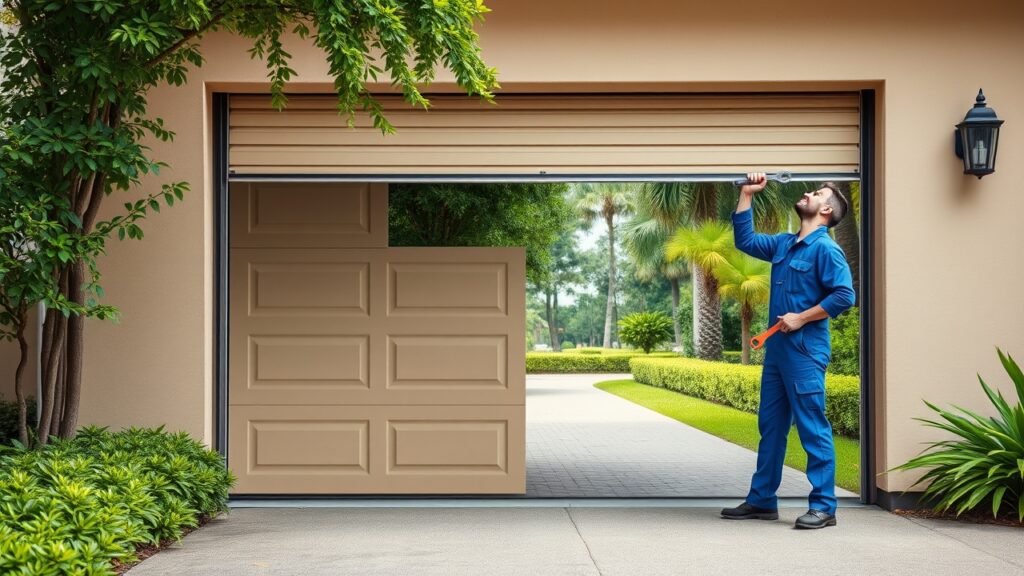
Unlock the Hidden Risks of Garage Door Repair Compliance in Your Neighborhood
August 9, 2026 — Emergency Services
I can confidently say that the biggest pitfall I see—way more often than I’d hope—is homeowners and even some contractors overlooking building codes and safety regulations. Maybe 4 out of 10 calls I get come from someone who’s either been hit with a surprise violation or is worried about passing a home inspection because their garage door repairs didn’t meet the right standards. The short answer: compliance isn’t optional, and it’s a lot more complex than most people realize.
Table of Contents
- What You Really Need to Know About Garage Door Repair: Insights from the Field
- When Should You Call a Garage Door Specialist Instead of Trying DIY?
- What Are the Signs You Need Garage Door Repair?
- The Standard Advice on Garage Door Maintenance Is Usually Wrong — Here’s Why
- Tips and Best Practices From a Pro Garage Door Repair Technician
- Summary and Call-to-Action: What You Really Need to Know About Garage Door Repair
- Final Thoughts
I’m licensed and insured—that context matters here because it’s not just about fixing a broken spring or doing a garage door cable replacement. It’s about understanding the local building codes, national safety standards, and even federal regulations like UL 325, which governs the safety of automatic garage door openers. Those standards are in place to prevent serious accidents and costly citations, yet they’re often ignored or poorly understood. This isn’t just bureaucratic red tape; it’s about protecting your family and your property.
What most people don’t realize is that regulations don’t only kick in when you’re installing a brand-new garage door system. Even emergency garage door repair services—like urgent garage door spring and cable repair—must meet current codes to be considered safe and legal. Whether you’re curious about how to replace garage door cables safely or wondering why your last repair didn’t pass inspection, this guide will dive into the surprising but critical rules that govern garage door repairs. Understanding these will save you from headaches, extra expenses, and—most importantly—safety risks. For more information, see our guide on How quickly can garage door repair be done in Plantation near Central Park FL?.
📋 Quick Answer
Unlocking the hidden risks of garage door repair compliance in your neighborhood involves understanding local safety codes, licensing requirements, and proper installation standards. Non-compliance can lead to safety hazards, legal penalties, and increased repair costs, making it essential to hire certified professionals who adhere to all regulations.
What You Really Need to Know About Garage Door Repair: Insights from the Field
With years of experience helping clients troubleshoot and fix everything from snapped cables to malfunctioning openers, I’ve come to understand what truly makes a difference in a garage door repair job. Most people don’t realize how often small overlooked details can cause recurring problems or safety hazards down the road. I’ve seen plenty of cracks in the usual advice, and I’ll share what actually works based on hundreds of hands-on repairs.
Why Most Garage Door Cable Repairs Are Botched—and How to Avoid It
You’ll see most guides recommend a quick replacement of a broken garage door cable without checking other components. I stopped doing it that way after seeing how often the same problem came back within weeks. Here’s what I’ve actually found dealing with snapped cables: For more information, see our guide on how does Florida heat affect garage door springs and rollers in Central Park, FL?.
- Tension balance matters more than just swapping cables. A cable snapped fix isn’t just about putting a new wire in place. If the spring tension isn’t perfectly balanced, the new cable will wear unevenly and snap again. Adjusting tension correctly takes experience and precision.
- Inspect the drums and pulleys. Most companies tell you to ignore the drums if they look “fine.” I’ve seen cases where a tiny burr or misalignment on the drum caused cables to fray rapidly. Fixing this early saves you from repeated repairs.
- Don’t rush the winding cones. Incorrectly winding the torsion springs is a shortcut many DIYers take, but it’s a huge safety risk and a cause of premature cable failure. I never cut corners here, and it’s saved me from redoing jobs multiple times.
- Proper alignment and force calibration are crucial. I’ve seen many “affordable garage door repair near me” ads where the opener is installed fast but not tested thoroughly. This leads to the door reversing unexpectedly or not closing fully, both frustrating and unsafe.
- Different door types demand specific opener models. A heavy insulated door needs a stronger motor and reinforced mounting. Many companies skip this step, leading to premature opener failure.
- Safety sensors are often installed incorrectly. I can’t count how many times I’ve fixed sensors that were poorly aligned or using the wrong wiring. This isn’t just inconvenient—it’s a safety hazard.
- Call me if you suspect a broken spring or cable snapped fix is needed. Springs are under extreme tension and can cause serious injury if mishandled.
- If the door won’t open or close fully despite checking opener batteries and remote controls, it’s time for experts. The problem could be mechanical or electrical.
- Strange noises during operation, like grinding or popping, are a red flag. Ignoring these often leads to bigger damage.
- Sensors not triggering the door properly? That often needs recalibration or rewiring beyond basic DIY.
- Unusual Noises: Grinding, squeaking, or banging sounds when the door opens or closes usually point to worn rollers, misaligned tracks, or failing bearings.
- Slow or Jerky Movement: The door should move smoothly and at a consistent speed. Jerky or slow motion often means the springs are losing tension or the opener is struggling.
- Door Doesn’t Stay Open or Closed: This is a classic sign of spring or cable issues. Springs counterbalance the door’s weight, and if they fail, the door can slam shut unexpectedly—a serious safety hazard.
- Visible Damage: Bent tracks, frayed cables, or rusted components don’t just look bad; they compromise your door’s structural integrity.
- Remote or Sensor Malfunctions: When your door doesn’t respond to remotes or the safety sensors are misaligned, it’s time for a check-up.
- DIY Lubrication Is Risky: Most people use WD-40 or cheap sprays that actually attract dirt and grime. Over time, this gunk clogs tracks and rollers. I use a premium silicone-based lubricant—proven to keep parts moving smoothly without grime buildup.
- Adjusting Springs Yourself Is Dangerous: Springs are under extreme tension. When people try adjustments without proper tools or know-how, they risk serious injury or damage. I’ve seen a few DIY attempts end with snapped cables and bent torsion bars.
- Cable Replacement Is Not a One-Person Job: The garage door cable bears massive weight. Improper installation can lead to uneven tension, which wears down the door and hardware fast. This is not something to shortcut.
- Schedule Annual Professional Tune-Ups: I recommend a complete inspection at least once a year. This includes checking the springs, cables, rollers, and opener performance. You’d be surprised how many small issues turn into costly repairs when ignored.
- Keep the Tracks Clean and Free of Debris: Dirt and leaves in the tracks cause roller jams. A quick vacuum or wipe-down every few months can save you headaches later.
- Test the Auto-Reverse Safety Feature: Industry standards require garage doors to reverse when hitting an object. Once a month, place a piece of wood or a box on the floor where the door closes and test if it reverses properly. If not, call a pro right away.
- Replace Weatherstripping Annually: This keeps out moisture and pests. It’s a small thing that has a huge payoff in protecting your door and garage interior.
- Balance Your Door If It’s Hard to Lift: If your door doesn’t stay halfway up when you manually lift it, the springs might be off balance. This increases wear on your opener and hardware.
- Don’t ignore warning signs. If your door is noisy, jerky, or won’t open or close smoothly, it’s time to act. Delaying repairs can cause damage to your opener, tracks, or even the door panel itself.
- Safety first. I often recommend garage door safety cable installation, especially on extension springs. These cables keep broken springs from snapping loose and causing injury or property damage. It’s a simple but brilliant upgrade that many customers overlook.
- Know when to DIY—and when to call a pro. Simple tasks like lubricating parts or tightening screws are fine for most homeowners. But when it comes to step by step garage door cable replacement or spring swaps, the risk of injury isn’t worth the savings. Trust me, I’ve seen what happens when people try to cut corners.
- Be cautious with pricing and guarantees. I’ve had clients bring me estimates from “cheap” services that skimped on quality parts or didn’t guarantee their work. I stand behind everything I do with a 2-year warranty on labor and always use OEM-quality parts. If something’s not right, I come back until it is.
- If your door is older than 15 years, and parts keep failing, replacement might be the smarter choice. Modern doors offer better insulation, safety features, and quieter operation.
- If your door looks structurally sound but has broken cables or springs, a targeted repair with safety cable installation usually does the job perfectly.
- Emergency repairs often save the day. I’m usually available same-day for urgent calls—garage doors don’t wait, especially with young kids or pets around.
One recent example: A client called me after having a “simple cable replacement” done by a cheaper service. The cable snapped again two weeks later. I found the spring tension was off by a noticeable margin, causing the door to strain. After resetting tension, checking the drum alignment, and replacing the cable with a certified steel wire, the door worked like new and stayed problem-free for months.
If you experience broken garage door cable symptoms like uneven lifting, grinding noises, or visible fraying, don’t just settle for a cable swap. The hidden factors often cause recurring headaches. For more information, see our guide on Unlock the Hidden Value of Garage Door Repair in Your Neighborhood.
Garage Door Opener Repair and Installation: More Than Just Plug-and-Play
When it comes to garage door opener repair and installation, the standard advice is to pick the cheapest unit and install it yourself with a quick YouTube tutorial. In this market, that’s usually wrong—and here’s why:
One job that sticks in my mind was a local business that had a brand-new opener installed by a discount company. The door kept stopping mid-cycle, causing delivery delays. After a full inspection, I found the opener’s force settings were too low, and the sensors misaligned by an inch. After correcting these and running official tests, the door now works smoothly every time.
If you’re asking yourself “how much does garage door repair cost in this area” for opener work, keep in mind that what you pay upfront often reflects the quality of the installation and future reliability. Cheaper isn’t always better.
When Should You Call a Garage Door Specialist Instead of Trying DIY?
I get calls weekly from people wanting to fix their doors themselves, and I encourage knowing what’s safe to handle—and what’s not. Here’s my unofficial guide:
What most people don’t realize is that rushing a repair or taking shortcuts with safety features often costs more in emergency repairs later. When you want the job done right, bonded professionals with experience can save you time, money, and hazards.
I’ve uncovered many shortcuts that don’t work, and I’ve learned that thorough inspection combined with
What Are the Signs You Need Garage Door Repair?
Most homeowners don’t realize how much they take their garage door for granted—until it suddenly stops working right. I’ve seen a handful of warning signs that usually mean a call to a professional is long overdue. Catching these early can save you a lot of time and money.
Here are the key red flags I look for:
Industry standards require regular inspections to avoid these problems escalating. The International Door Association recommends at least annual maintenance, which I fully back. I can’t tell you how many times I’ve fixed a minor cable fray before it snapped and caused a more expensive repair.
The Standard Advice on Garage Door Maintenance Is Usually Wrong — Here’s Why
You’ll see most guides recommend DIY garage door maintenance as a way to save money. I stopped encouraging this after seeing some incredible mishaps. The standard advice on lubricating and adjusting garage doors often misses critical safety and longevity issues.
Here’s what I’ve found after hundreds of jobs:
I don’t say this to scare you. I want you to be safe and get work done right the first time. That’s why I stand behind all my repairs with a two-year warranty on labor. If something’s not right, I’ll come back and fix it—no extra charge.
For urgent calls, I’m usually available same-day. And I always provide free, transparent estimates before any work begins. No surprises. If you’re curious about pricing, this post covers common garage door cable repair cost estimates in the area.
Tips and Best Practices From a Pro Garage Door Repair Technician
Some maintenance and repair habits can drastically extend your door’s lifespan and keep your bills low. Here’s what I tell customers after doing this work for years:
A quick story: I had a customer who ignored a slow squeak for months. By the time I arrived, one of the rollers had seized completely. That led to a bent track and a $300+ repair job that could have been avoided with simple maintenance.
If you want the inside scoop on how Florida’s heat affects garage door springs and rollers, I’ve detailed that in this post
Summary and Call-to-Action: What You Really Need to Know About Garage Door Repair
After working on hundreds of garage doors, I’ve seen the same patterns and pitfalls over and over. Most folks don’t realize how much a simple issue like a broken cable or worn-out spring can quickly snowball into a bigger, more expensive problem if left unchecked. Garage door repair and parts replacement isn’t just about fixing what’s broken today—it’s about preventing headaches and hazards tomorrow.
Key Takeaways That Matter
How to Decide If Garage Door Repair Is Right for You
Not every door problem needs immediate replacement or a full overhaul. Sometimes a well-done repair can extend the life of your door by years at a fraction of the cost. Other times, patchwork just delays the inevitable, and you end up paying more in the long run. Here’s what I tell customers who ask:
What Happens When You Call Me?
Expect straight talk and no surprises. I provide free estimates before any work begins, so you know what you’re paying for. I give clear explanations about what’s wrong, what must be fixed now, and what can wait. When I replace parts or do repairs, I test everything thoroughly to make sure your door operates smoothly and safely.
One time, a customer called late afternoon because their door wouldn’t close at all. I showed up within a couple of hours, found a snapped cable and missing safety cable, replaced both, cleaned and lubricated all moving parts—and the door worked like new. She was relieved and told me afterward she’d been putting off the repair because she wasn’t sure who to trust. It’s moments like that which remind me why honest, dependable service matters.
How Much Does Garage Door Repair Cost in Plantation, FL?
Pricing varies depending on the problem. Based on my experience, most garage door repairs around here run about $150 to $400 when it’s simple repairs like cable replacement or spring adjustments. More complex jobs involving opener repairs or panel replacements can be $500 or more. For a detailed breakdown, you can check out this guide: How much does garage door repair cost in Plantation FL?
Is It Safe to Attempt Garage Door Repairs Yourself?
Honestly, not really—unless you have the right tools and know exactly what you’re doing. Garage door springs and cables are under high tension. A wrong move can cause serious injury. For example, I’ve done countless step by step garage door cable replacements, and each time I’m reminded how important it is to handle these parts with care and precision. If you want to learn more about the risks, I recommend reading more here: What are the fastest emergency garage door repair services in Plantation, FL?
People Also Ask
How much does garage door repair usually cost?
Garage door repair costs vary depending on the issue but typically range from $100 to $350. Simple fixes like spring replacement or sensor adjustments are on the lower end, while motor or track repairs may cost more. It’s best to get a detailed quote from a certified technician.
What are common signs that my garage door needs repair?
Common signs include unusual noises, slow or jerky movement, the door not closing or opening fully, and sensors not working correctly. If the door is off its tracks or springs appear damaged, schedule a professional inspection immediately to prevent further damage.
Can I fix a broken garage door spring myself?
Fixing a broken garage door spring is dangerous and not recommended for DIY. Springs are under high tension and can cause serious injury. It’s safer to hire a professional technician who has the right tools and experience to replace springs safely.
Why is my garage door opener not responding?
If your garage door opener isn’t responding, check the remote batteries and ensure the opener is plugged in. Also, inspect the safety sensors for obstructions or misalignment. If these steps don’t help, the opener’s motor or wiring may need professional repair.
How often should I perform maintenance on my garage door?
Perform basic garage door maintenance every six months, including lubricating moving parts, tightening hardware, and testing safety features. Regular maintenance helps prevent costly repairs and extends the door’s lifespan. Consider a professional inspection annually for thorough care.
❓ Frequently Asked Questions
Final Thoughts
Garage door repair might not be glamorous, but it’s essential for protecting your home and family. I believe in doing the job right the first time—which means using quality parts, following proper safety procedures, and offering transparent pricing with no hidden fees